
Termites in Australia: Unraveling the Diversity of Species
1. Subterranean Termites (Coptotermes spp.): Subterranean termites are some of the most destructive pests in Australia. They thrive in damp, underground environments and construct mud tubes to move between their nests and food sources. These termites target structural timber, causing substantial damage to homes, buildings, and even trees. Coptotermes acinaciformis and Coptotermes frenchi are two common subterranean species known for their destructive behaviour.
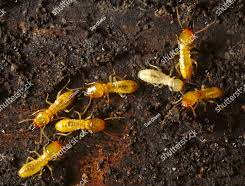
2. Drywood Termites (Cryptotermes spp.): Drywood termites, as the name suggests, infest dry wood. They don’t require contact with soil, as they obtain moisture from their diet and surroundings. Cryptotermes primus is a well-known drywood species that can cause significant damage to timber structures, furniture, and even trees.
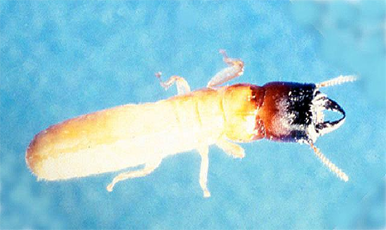
3. Dampwood Termites (Porotermes spp.): Dampwood termites are typically found in damp or decaying wood, such as fallen trees or timber with high moisture content. While they aren’t as common as other termite species, they can still cause damage to wood in contact with soil or other moisture sources.
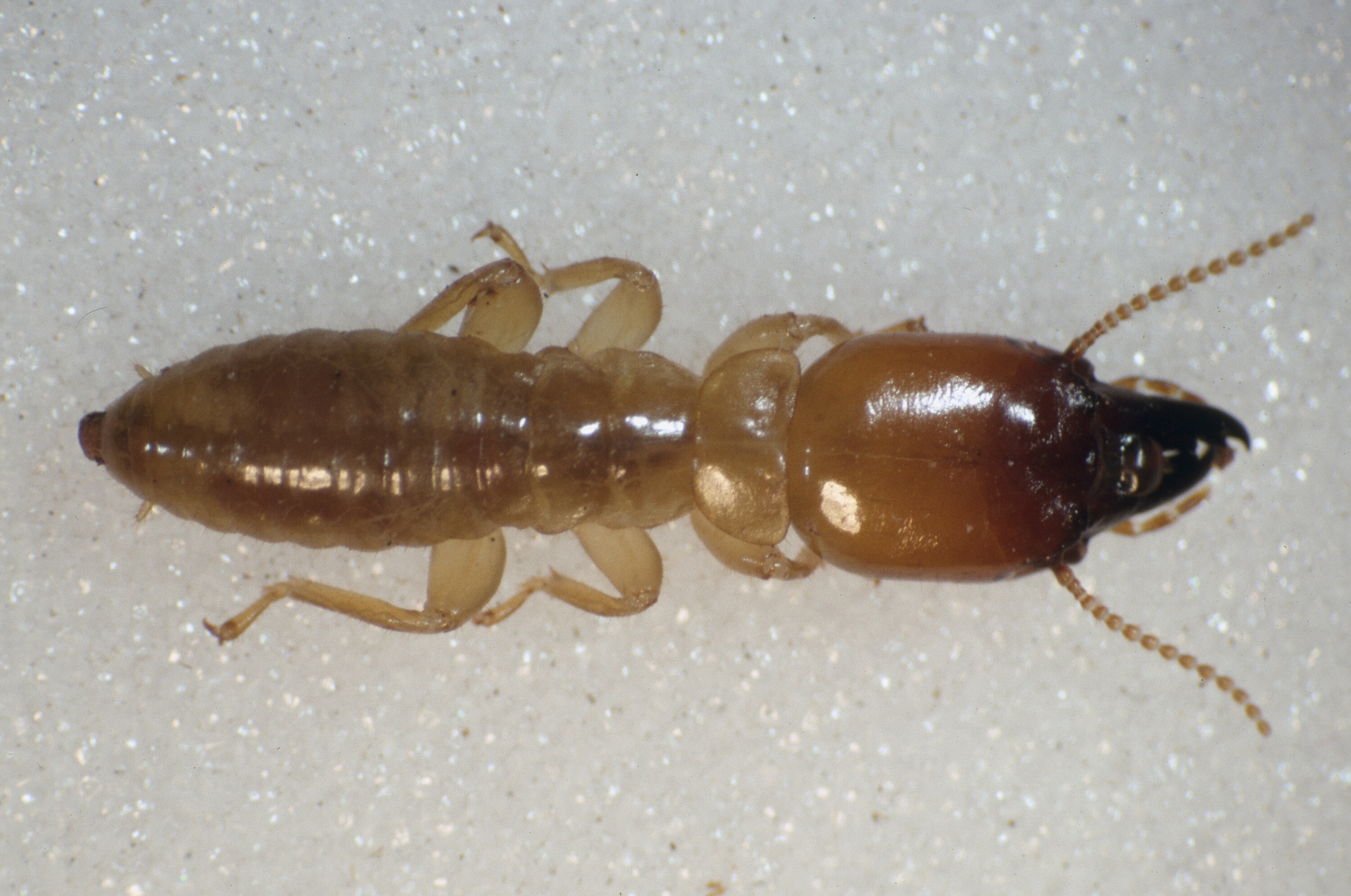
4. Nasutiform Termites (Nasutitermes spp.): Nasutiform termites are recognized by their distinctive soldier caste, which has a long, pointed head. They often build their nests in trees, stumps, and logs. While some species are considered pests due to their ability to damage timber, others play beneficial roles in decomposing dead plant material.
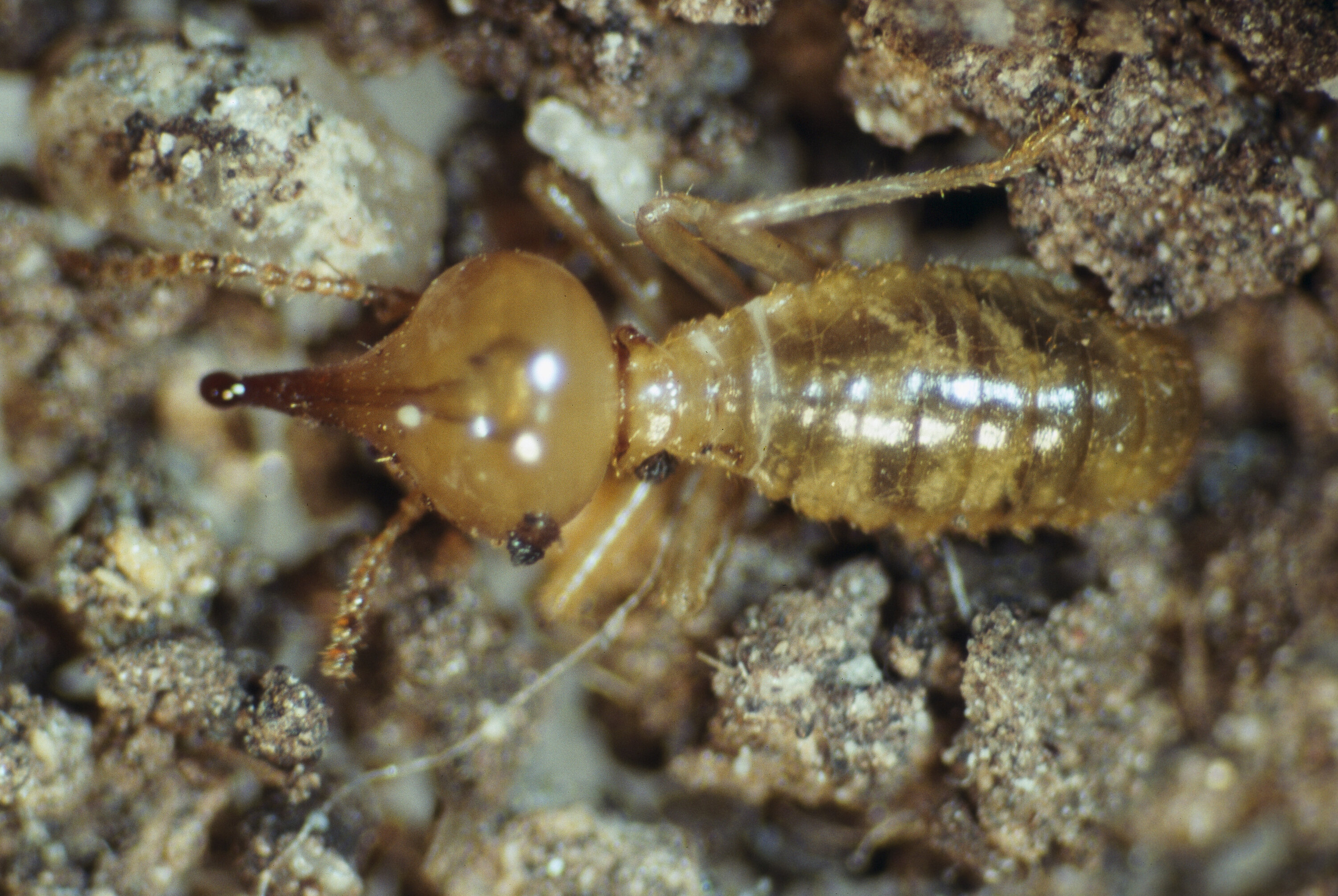
5. Microcerotermes spp.: Microcerotermes termites are smaller in size compared to other species. They are often found in decaying wood and play a vital role in breaking down dead plant material. Some species within this genus are considered pests when they infest structures or live trees.
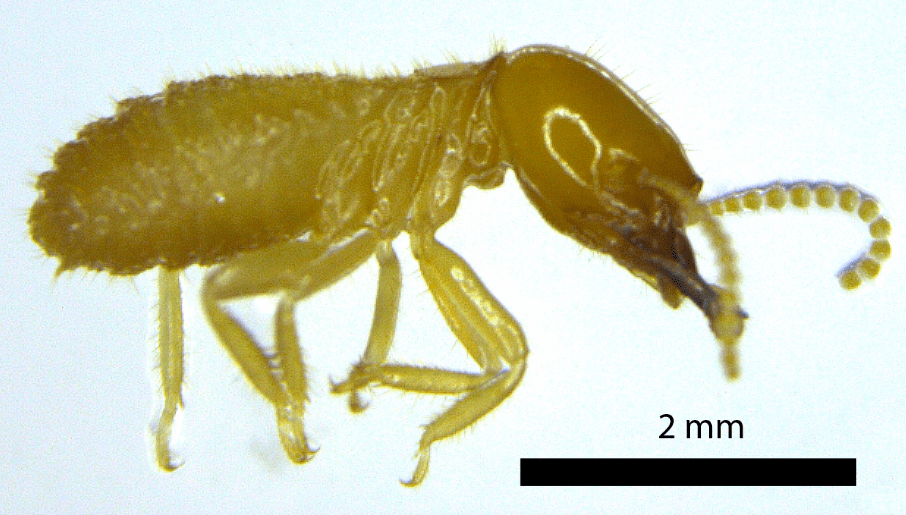
6. Mastotermes darwiniensis: Commonly referred to as the “giant northern termite,” this species is native to northern Australia and holds the title of the largest termite in the world. While it primarily feeds on decaying wood, its massive size and wood-damaging behaviour can make it a nuisance for timber structures.
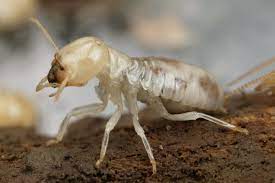
7. Termite Identification and Management: Identifying termite species correctly is crucial for effective management and treatment. Different species have distinct behaviours, nesting habits, and vulnerabilities. Regular termite inspections by qualified professionals are essential to identify infestations early and determine the appropriate course of action.
8. Protecting Your Property: To safeguard your property against termite damage, it’s vital to understand the local termite species’ behaviour and habitat preferences. Implement preventive measures such as regular inspections, maintaining proper ventilation, reducing moisture sources, and using termite-resistant building materials.
In summary, Australia’s diverse climate and ecosystems have given rise to a wide range of termite species, each with its unique characteristics and impact on our surroundings. Being informed about these species empowers property owners to take proactive steps in termite prevention and management. If you suspect a termite infestation, don’t hesitate to seek professional assistance to protect your investment and ensure a termite-free environment.
 Your Trusted Pest Control Solution